The Bufflehead is a Very Little Diving Duck

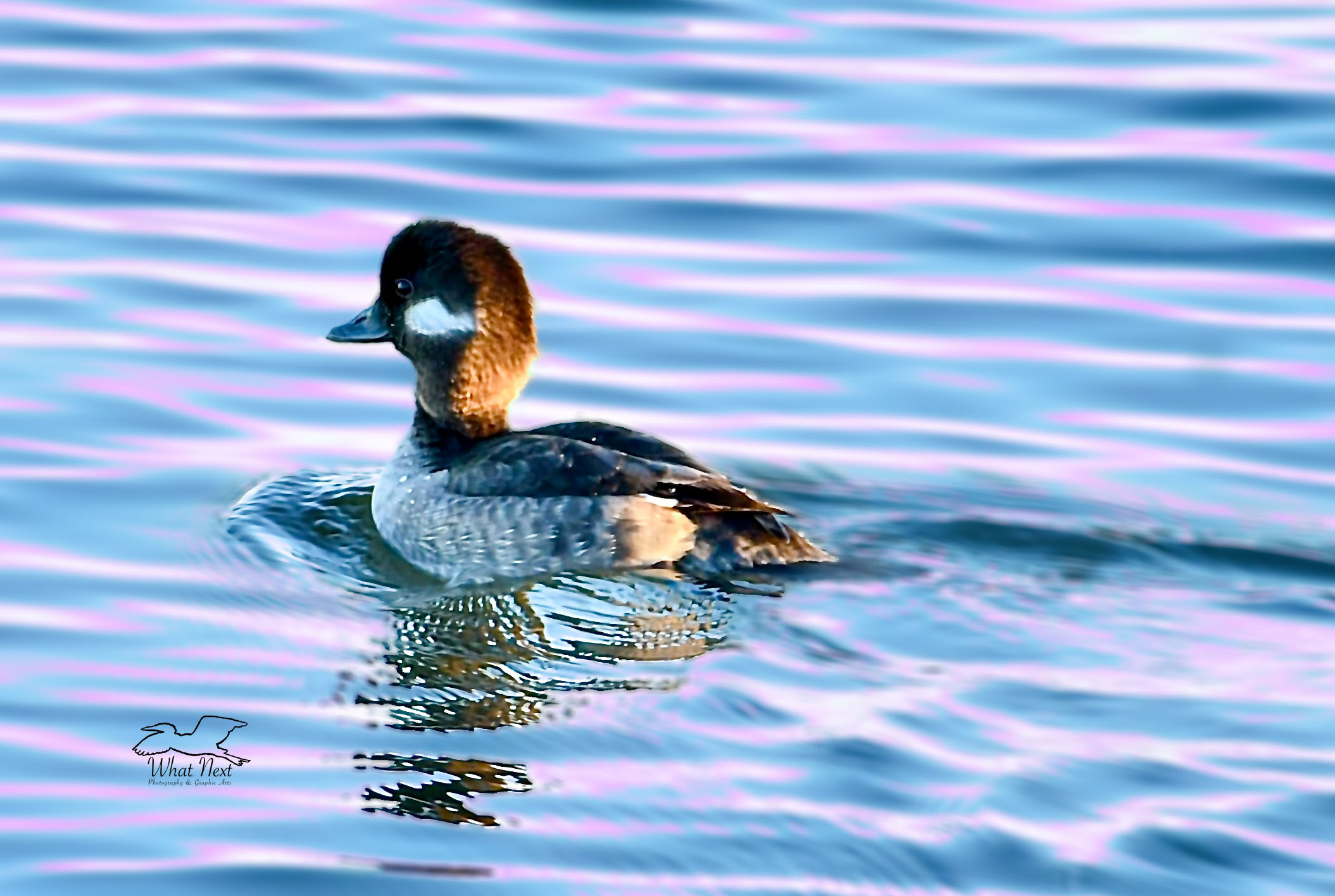
Living up in the sandhills where water rarely stands for long, I don’t get a lot of chances to see ducks. Years ago, when I worked at the nature park, there were wood ducks around daily and in the winter we would see blue winged teal and sometimes other ducks as well. It gave me a lot of appreciation for ducks, which is why I was really pleased to see a bunch of bufflehead ducks (Bucephala albeola) on one of my trips to Cedar key. Like many ducks, buffleheads are sexually dimorphic, with the males being more colorful than the females. But as you can see, even the females are very pretty. Pairs are mostly monogamous and tend to stay together for a number of years. They are diving ducks that feed mainly on aquatic invertebrates like snails, shrimp, and aquatic insects. They will also sometimes eat minnows and other small fish as well.

During the winter buffleheads are usually found in lakes, rivers, ponds, and in coastal waters in the southern United States and northern Mexico. During the summer they breed in the boreal forests across much of Canada and Alaska. They nest in tree cavities that have been abandoned by woodpeckers, especially northern flickers and sometimes pileated woodpeckers. They choose trees that are near ponds and lakes where the water is slow moving and fairly shallow, making hunting easier.
At one point buffleheads were near extinction due to over hunting, but thanks to legislation and conservation their populations have rebounded. They are currently considered a species of least concern, but they do still face threats. The main threat comes from continued development since these ducks are very dependent on woodpecker holes for nesting.