
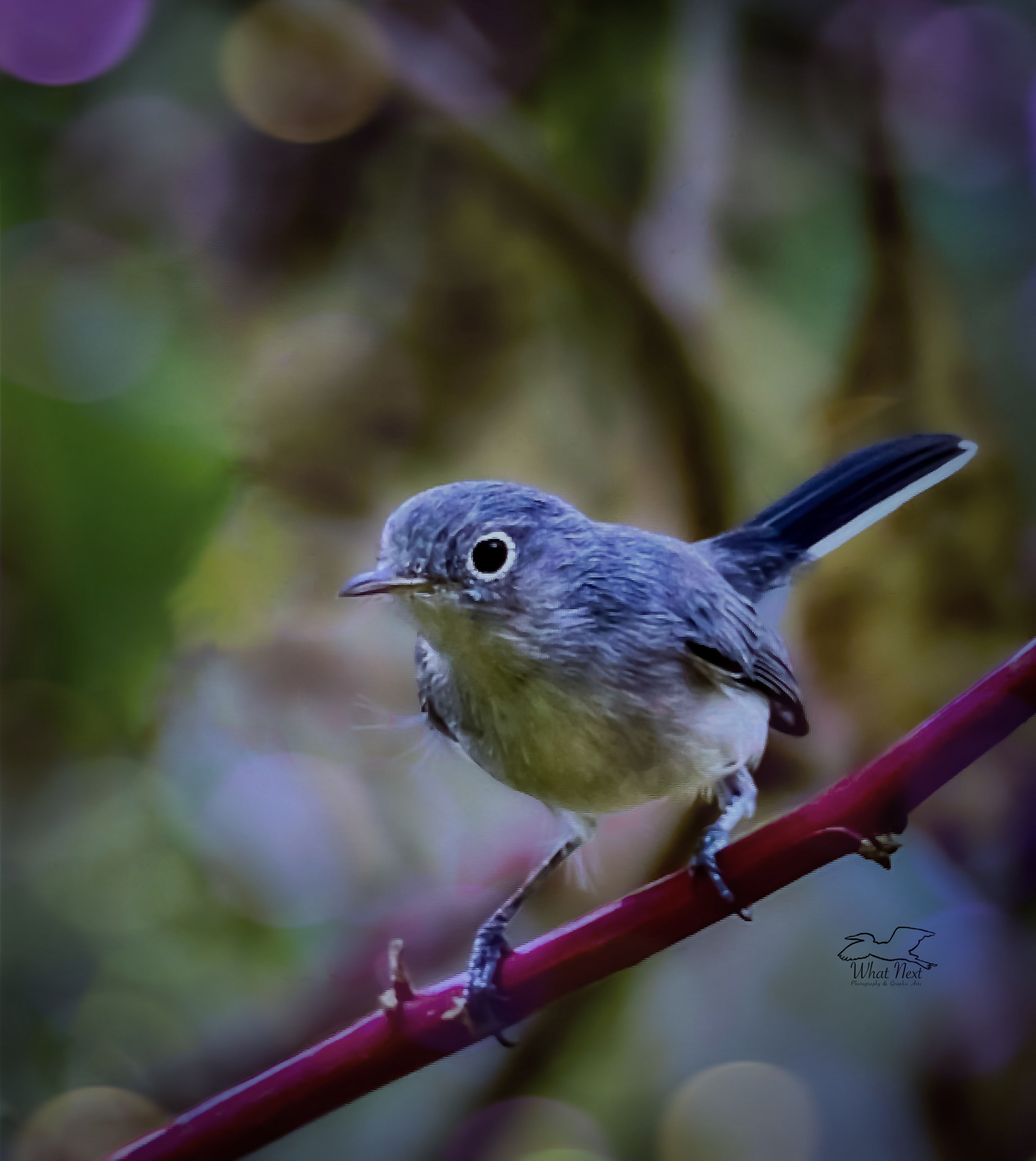
Blue Grey Gnatcatchers are Very Interesting Little Birds

There are several species of small songbirds that live around here, but that I don’t see every day. Most of them are insectivores that don’t generally come to the feeders, so spotting them usually means watching the trees and underbrush for movement, and listening for their songs. The smallest one of the bunch is the pretty little blue grey gnatcatcher (Polioptila caerulea). It is only 10-13 cm in length and weighs less than a quarter of an oz. Despite its small size, these little gnatcatchers are tiny bundles of energy and they consume large volumes of insects, insect eggs, and spiders. Here in Florida, they are considered a resident species, but in most of their northern habitat, they are migratory.
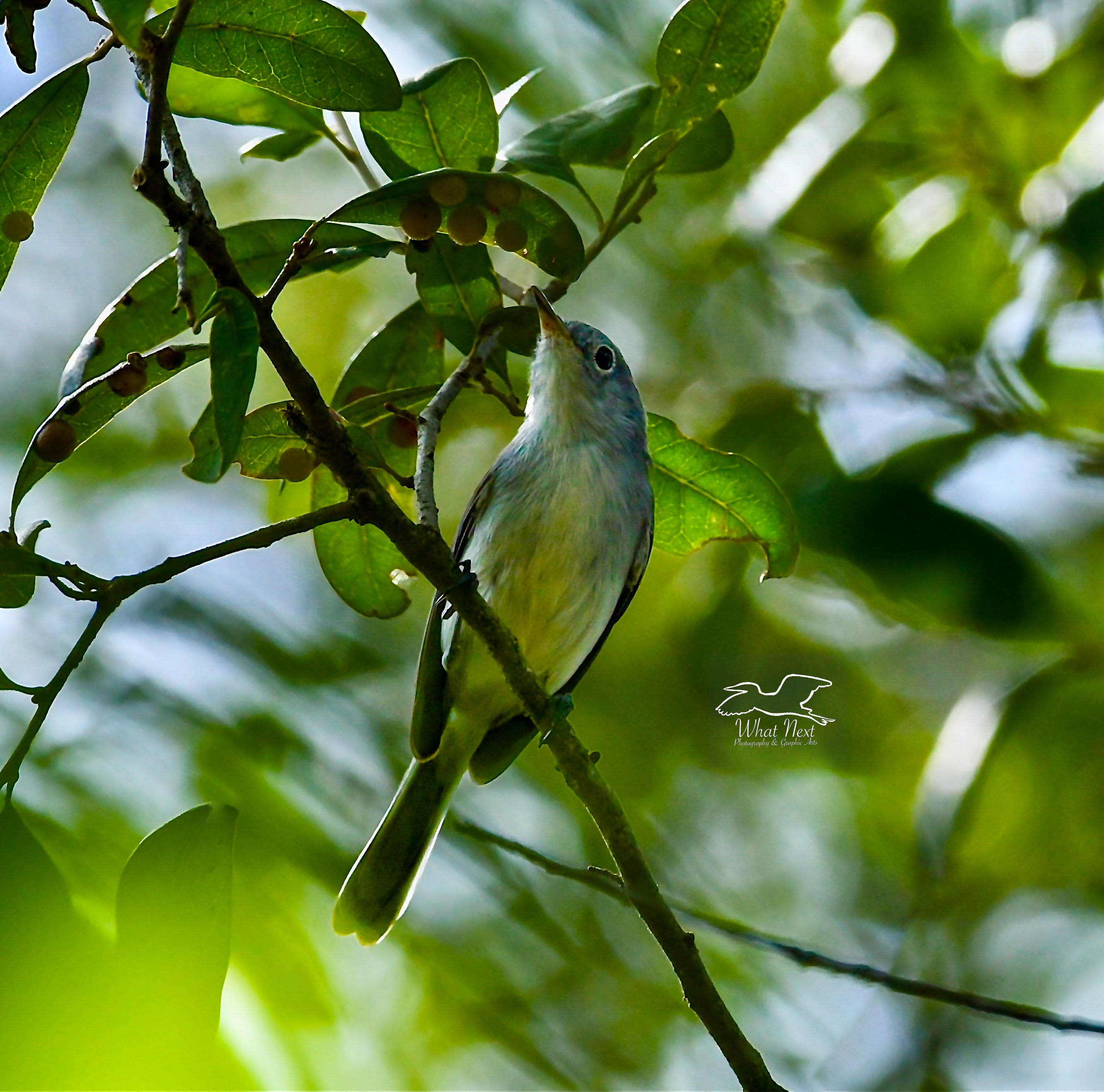
Blue grey gnatcatchers are usually found in deciduous forests with light under brush in the eastern United States and southern Ontario, Canada. In western states they tend to pick a habitat that is more scrubby with a higher ratio of pines. Male and female gnatcatchers cooperate to build a nest each spring out of plant fibers, animal hair, grasses, spider web, and lichens. It is a small cup shape that’s usually placed on top of a horizontal deciduous tree branch. Both parents incubate the eggs and feed the young. Here in the south, they usually raise two broods, while further north, it’s usually just one.

Blue grey gnatcatchers are a species that currently seems to be doing well, and is even extending its range further north. Although it tends to stay well hidden, it can live fairly closely with humans as long as lots of insecticides aren’t being used. Even though these little characters aren’t birds I see every day, I enjoy watching them glean insect eggs from leaves and twigs or grab flying insects as they pass by. It’s incredible how quick they are as well as how agile. It’s also impressive how much energy they have. They are definitely very interesting and lots of fun.


Recent Comments